 zenpage
Blog post ideas for naturopaths: topics that attract readers
Blog post ideas for naturopaths: which topic families attract readers, how to choose the first article and publish it step by step in your Zenpage editor.

Good blog post ideas for naturopaths come from questions asked in consultations: everyday nutrition, sleep, stress, digestion, immunity, the rhythm of the seasons. One article answers one precise question, in the reader's own words, then it is published in the Zenpage editor with a clear title, a featured image and a carefully written description.
Why does a blog suit a naturopathy practice so well?
Naturopathy is chosen after reflection. Few people book an initial assessment on impulse: they compare, they read, they try to understand an approach before entrusting their lifestyle to someone. A blog matches this behaviour exactly, because it leaves a written trace of how you work.
Each article plays three roles at once. It reassures a hesitant reader by showing how you reason about a concrete question. It gives Google a page ranked for a precise search, with your town name when the topic allows it. And it saves you time in consultations, since points already explained in writing no longer need to be covered from scratch.
The common thread of naturopath blogs that work is not volume, it is grounding in real life: questions heard at the practice, seasonal situations, answers that only a practitioner in active work can phrase that way.
Which topic families cover your readers' questions?
A visitor rarely lands on your home page: they land on an article, from a precise search. So cover several families of questions rather than writing ten times about the same theme.
| Family | What the reader is looking for | Example title |
|---|---|---|
| Everyday nutrition | Simple reference points, with no diet and no lecturing | Breakfast and morning energy: the reference points I give in consultations |
| Sleep and recovery | Understanding why they sleep badly and where to start | Waking up at 4 a.m.: what naturopathy guidance looks like |
| Stress and mental load | Concrete leads for a tense period | Work stress: what naturopathy offers, and what it does not replace |
| Digestion and discomfort | Knowing whether their situation calls for an assessment | Bloating after meals: when to consult a naturopath |
| Immunity and seasons | Preparing for a specific time of year | Autumn and natural defences: how to prepare the season in consultation |
| The guidance setting | Knowing what happens before booking | First vitality assessment: process, length and what to bring |
Which titles should you write in each family?
Here are examples ready to adapt to your own practice. They share one trait: they name a situation the reader lives through, not a textbook concept.
- The question heard at the practice. "Should I give up coffee when I am stressed?": the sentence asked in consultation becomes the title, almost word for word.
- The walkthrough. "Vitality assessment: what happens during the first consultation, step by step": the reader knows what to expect, and dares to book.
- The seasonal topic. "Clock change and tiredness: how to get through the first weeks": published at the right moment, it captures a dated search and shows your practice lives with the year.
- The received idea. "Naturopathy is not just herbal tea": you hear the same reductive sentence all year round, it is an article already written in your head.
- The honest comparison. "Naturopath, dietitian, doctor: who to consult for which question": an article that owns the differences in roles and points to the right professional reassures more than it promises.
- The setting and the price. "How many consultations, and at what pace: how we decide together": the topic of length and budget, addressed without dodging.
- Life at the practice. "Seasonal cooking workshop at the practice: what happens when there are several of us": practical for filling a group, and easy to link to your online diary.
- The limits. "What naturopathy does not do, and why saying so matters": an article that protects your credibility better than a page of promises.
Which article should you start with when opening your blog?
Given three ideas, pick the one that meets three conditions. The question comes up often in consultations, to the point that you answer it several times a month. You can answer it in writing without personalised advice, so without diagnosing at a distance. And the reader typing it is close to booking, as in "what happens during a first assessment" rather than a general history of natural medicine.
Set aside for now topics that are too broad, such as "the benefits of naturopathy". They attract the curious, they all look alike from one website to another, and ranking for them against big health websites is very hard. A narrow, lived topic always beats a vast, generic one.
How do you publish the article in the Zenpage editor?
The blog is included in your Zenpage website, with nothing to install and no extension. Once the text is written, publishing comes down to a few settings.
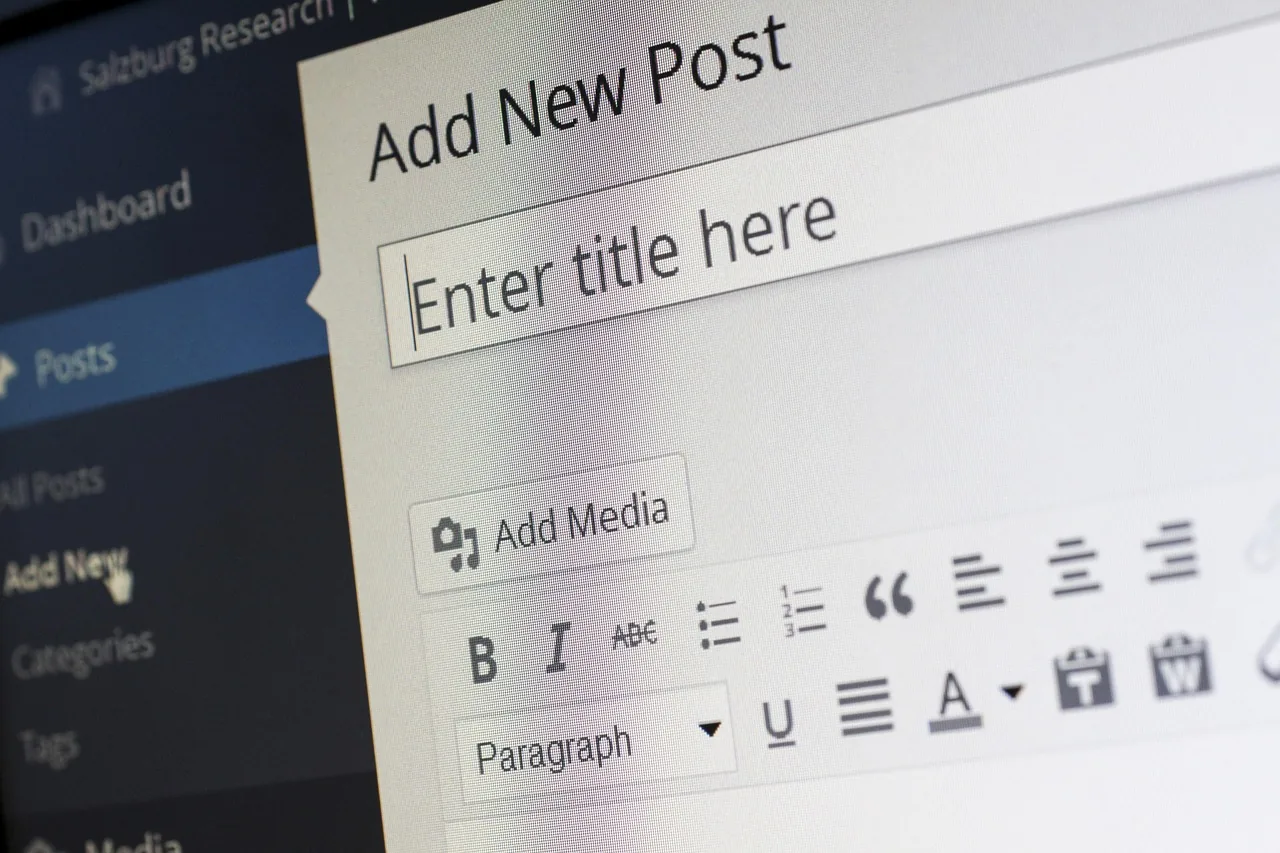
- Open Blog, then New article. Type the title, then the body text in the block editor.
- Add subheadings. One per question covered: they form the table of contents and keep the page readable on mobile.
- Fill in the article panel. Short slug, category, tags, featured image, excerpt, title and description for Google.
- Stay in Draft while you proofread. Switch to Published when the article is ready: it then appears in the Blog menu of your website.
- Check the result. Open the page on a phone, as a future client would.
Step-by-step handling is in the blog documentation. The blog lives at your website address; the custom domain name is set in the public site settings.
Which limits should you keep in mind when writing about naturopathy?
- No personalised dosage. Describing the traditional uses of a plant in general is informing; giving a dose to an unknown reader is consulting at a distance. The boundary sits there.
- No promised outcome. No "cure", no "treatment", no guaranteed timescale. Naturopathy supports, it replaces neither a diagnosis nor medical follow-up, and saying so protects your credibility.
- No recognisable case. Even with no name, one detail is enough to identify someone in a small town. Write about typical situations, never about people.
- A clear pointer to the doctor. When the question is medical, the article explains how you work alongside ongoing care and refers to a health professional.
- The reader first, you second. The visitor looks for an answer to a question, not your biography. Your background and training belong on a dedicated page.
A credible article carries a name, a training background and a town, describes a real working setting, separates what belongs to guidance from what belongs to the doctor, and shows an update date. These details say who speaks and on what grounds. They matter as much as the quality of the writing, because they answer the question everyone asks before booking: does this person know what they are talking about?
How do you know whether a topic appeals to your readers?
The answer sits in Search Console, with no paid tool. Once the blog is online, regularly note a few fields per page: indexed pages, queries triggering an appearance, impressions, clicks and average position.
Two readings are enough to start. Impressions without clicks mean the page appears but the title or description do not attract: rework them before writing anything else. No impressions at all means either the page is not indexed yet, or nobody types the question: in the first case wait, in the second change topic.
For the full method, see how to measure your blog results with Search Console. An article that works also attracts new questions, asked by readers or clients: it is the best source of ideas for what follows, and it never runs dry.
Which article should you write this very week?
Take the question you were asked most often this month. Write the answer in one crisp paragraph, add three subheadings, an image and a description. Publish. A single article is enough to open the Blog section of your website, and the second one will be quicker.
For how the option works, see how to add a blog to your therapist website and how to write your first article as a therapist. Sophrologists will find the counterpart of this page in the article ideas for a sophrology blog.
You can create your website and blog right now on the Zenpage free plan, with no bank card, and fifteen days to try the paid options. And if you would rather have a website built to measure than one you assemble yourself, the naturopath website guide details what changes.
Frequently asked questions
Can a naturopath blog mention specific plants?
Yes, as long as you stay informative: you describe traditional uses and the setting of a guided follow-up, with no personalized dosage and no promised effect. Advice tailored to one person belongs in a consultation, not on a page read by hundreds of strangers.
Can an article promise a health outcome?
No. Words such as cure, treatment or guaranteed result have no place in your articles, and naturopathy replaces neither a diagnosis nor medical follow-up. An honest article about what guidance offers, and what it does not do, builds more trust.
How many articles does it take before readers arrive from Google?
No number guarantees visits. One article that answers a precise question, once indexed, can bring enquiries; ten articles on topics nobody searches for bring nothing. Start with questions heard in consultations, then track impressions in Search Console.
Does the Zenpage blog suit a naturopath building a first website?
Yes. The blog is included in your Zenpage website, on the free plan as well as Pro, with nothing to install. You write the text in the block editor, set the title, featured image and description, then publish when the article is ready.